Isla del Fuego
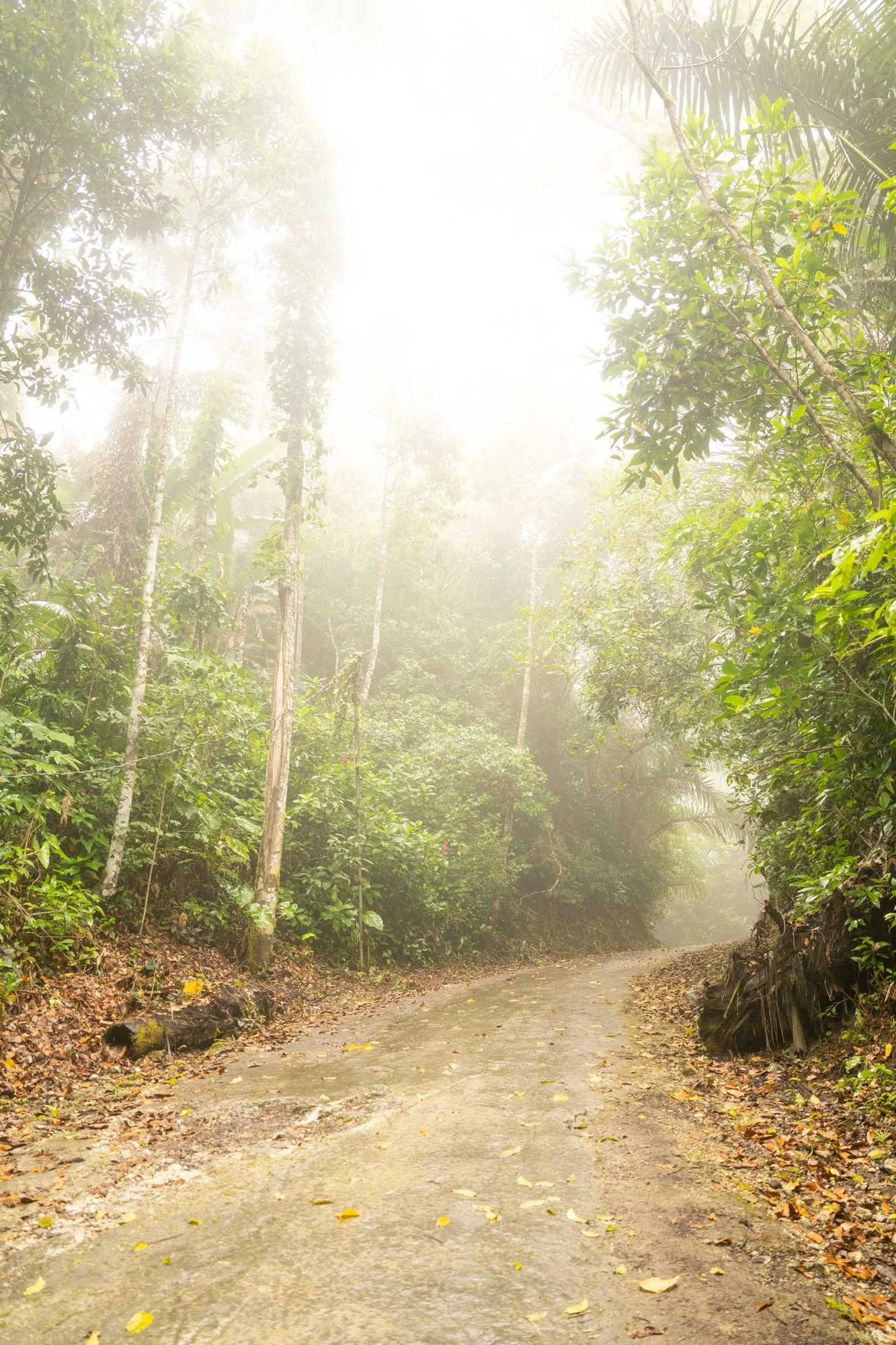
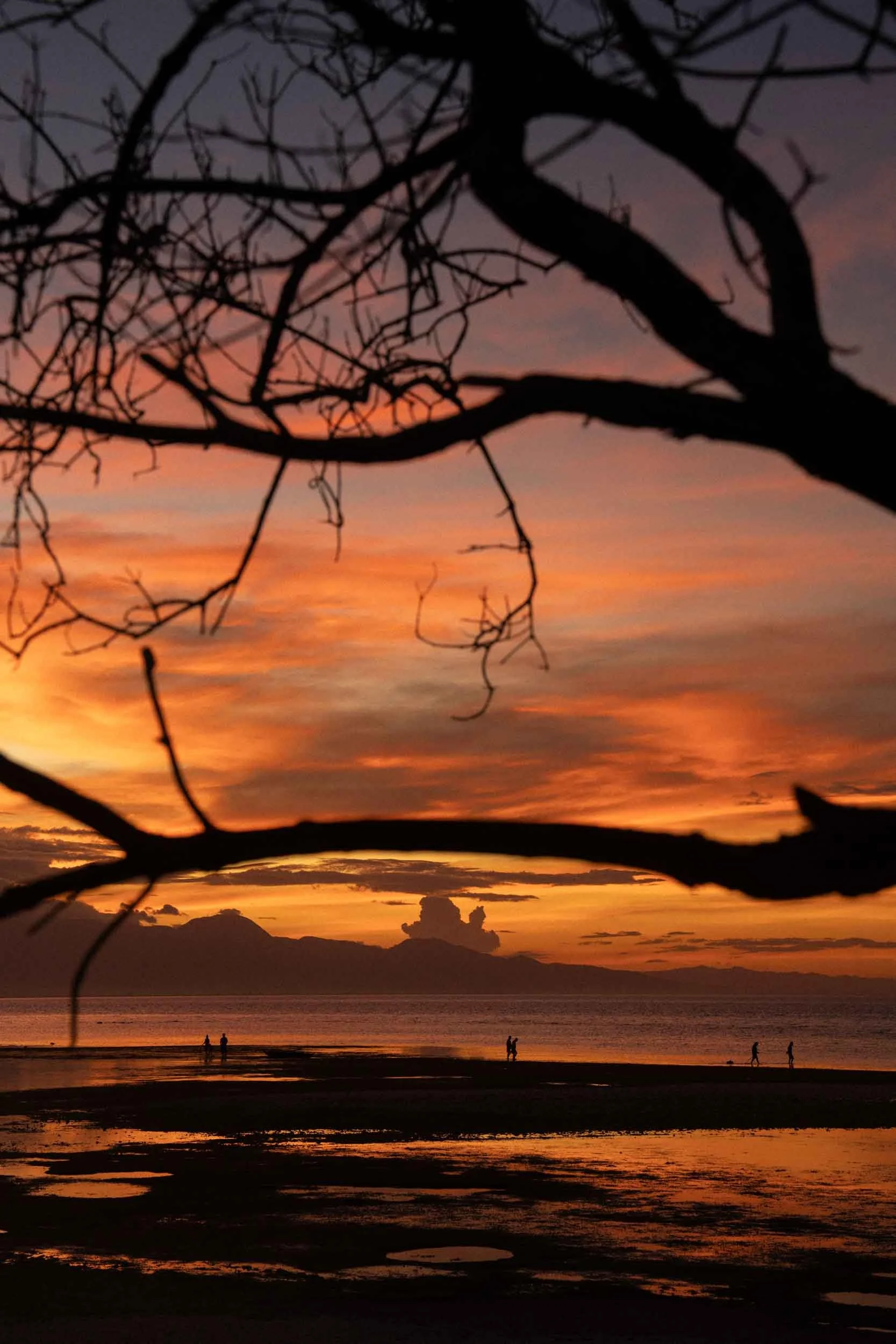
Siquijor is known in the Philippines as Isla del Fuego — the Island of Fire. At night, the island’s forests once appeared to glow with thousands of fireflies, giving rise to a name that became intertwined with stories, superstition and mystery.
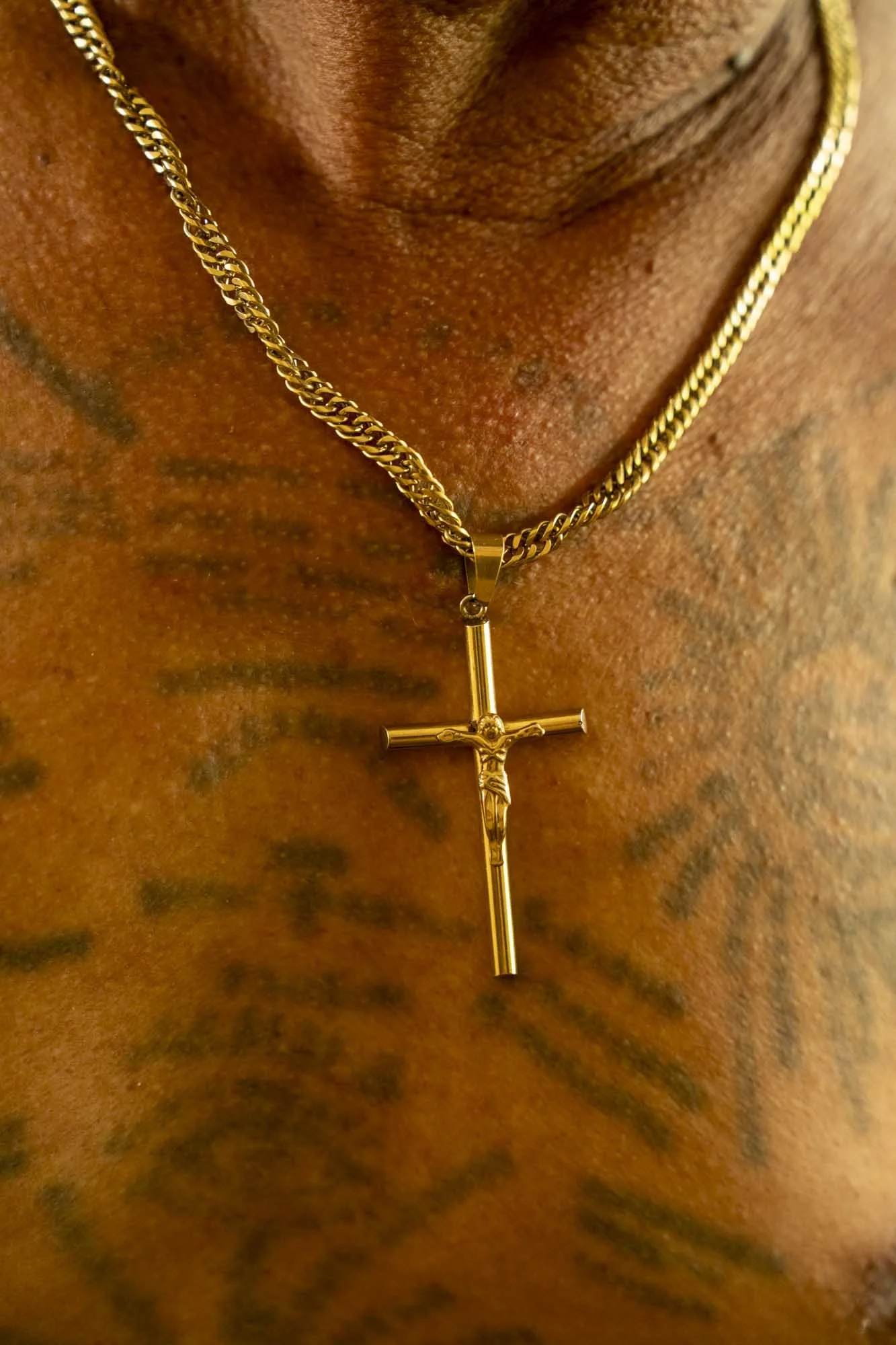
For generations, Siquijor has also been associated with traditional healing and folk beliefs. Alongside Catholicism and modern medicine, ancient practices continue to exist in the lives of people who live on the island.
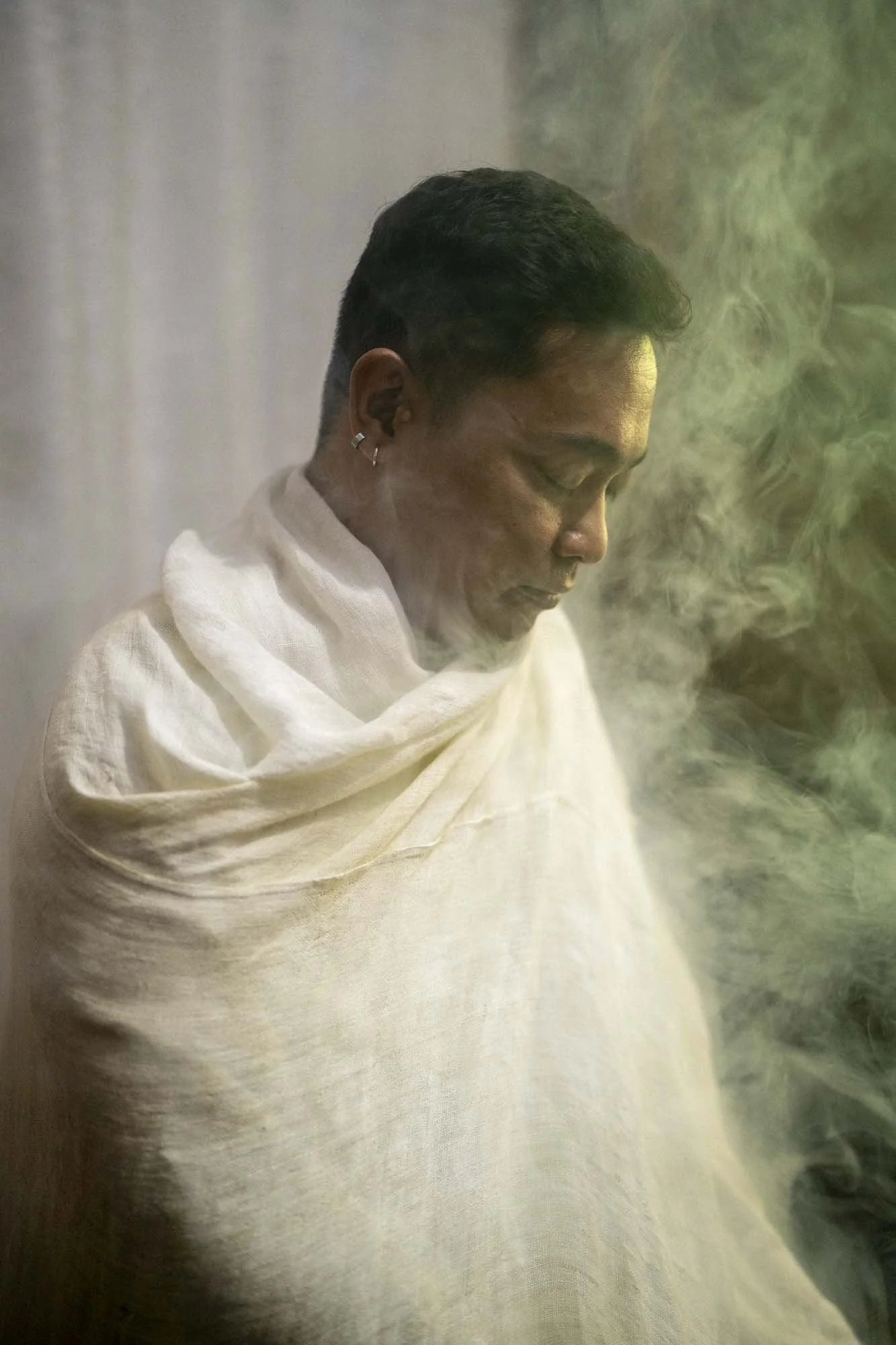
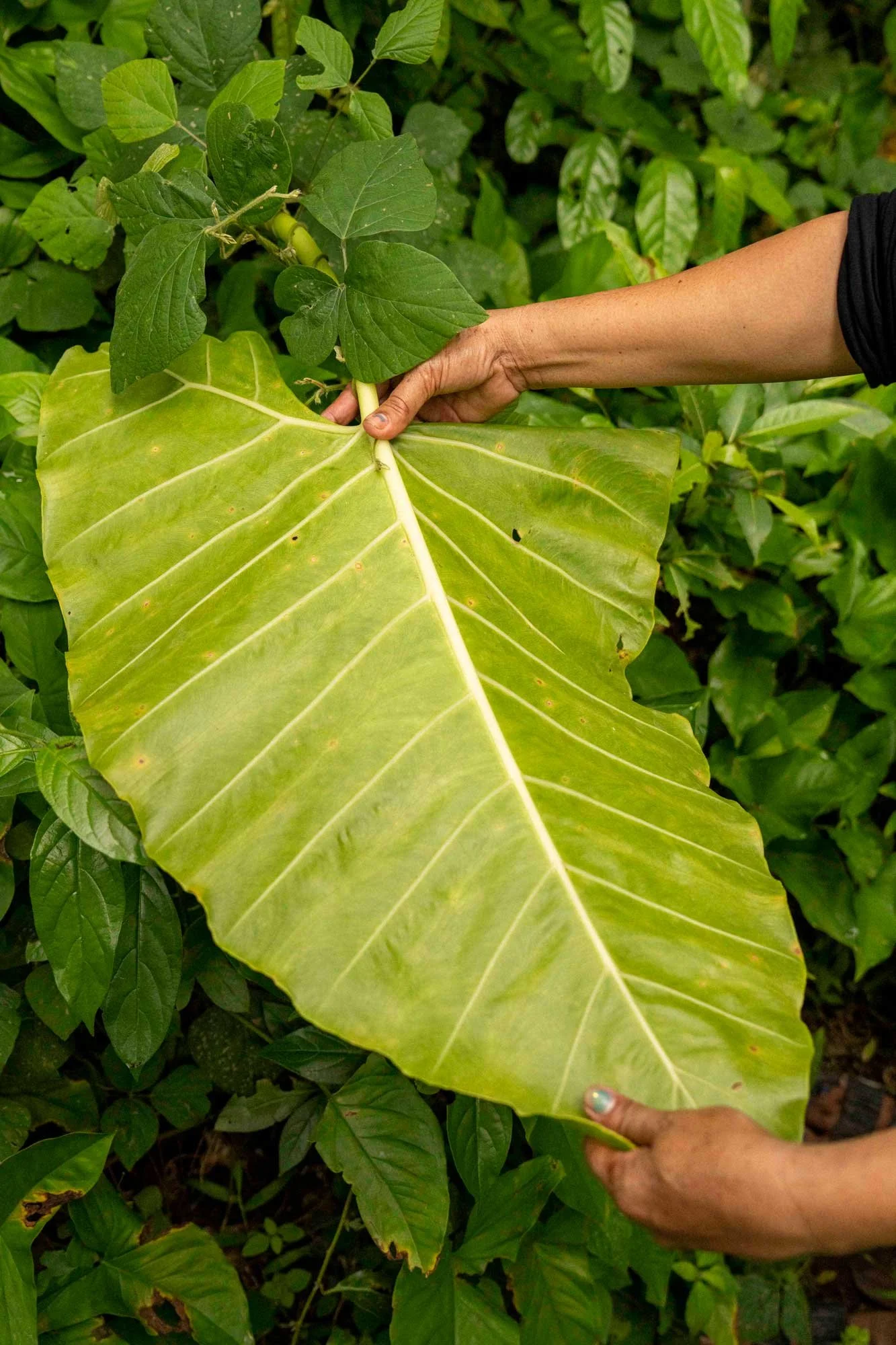
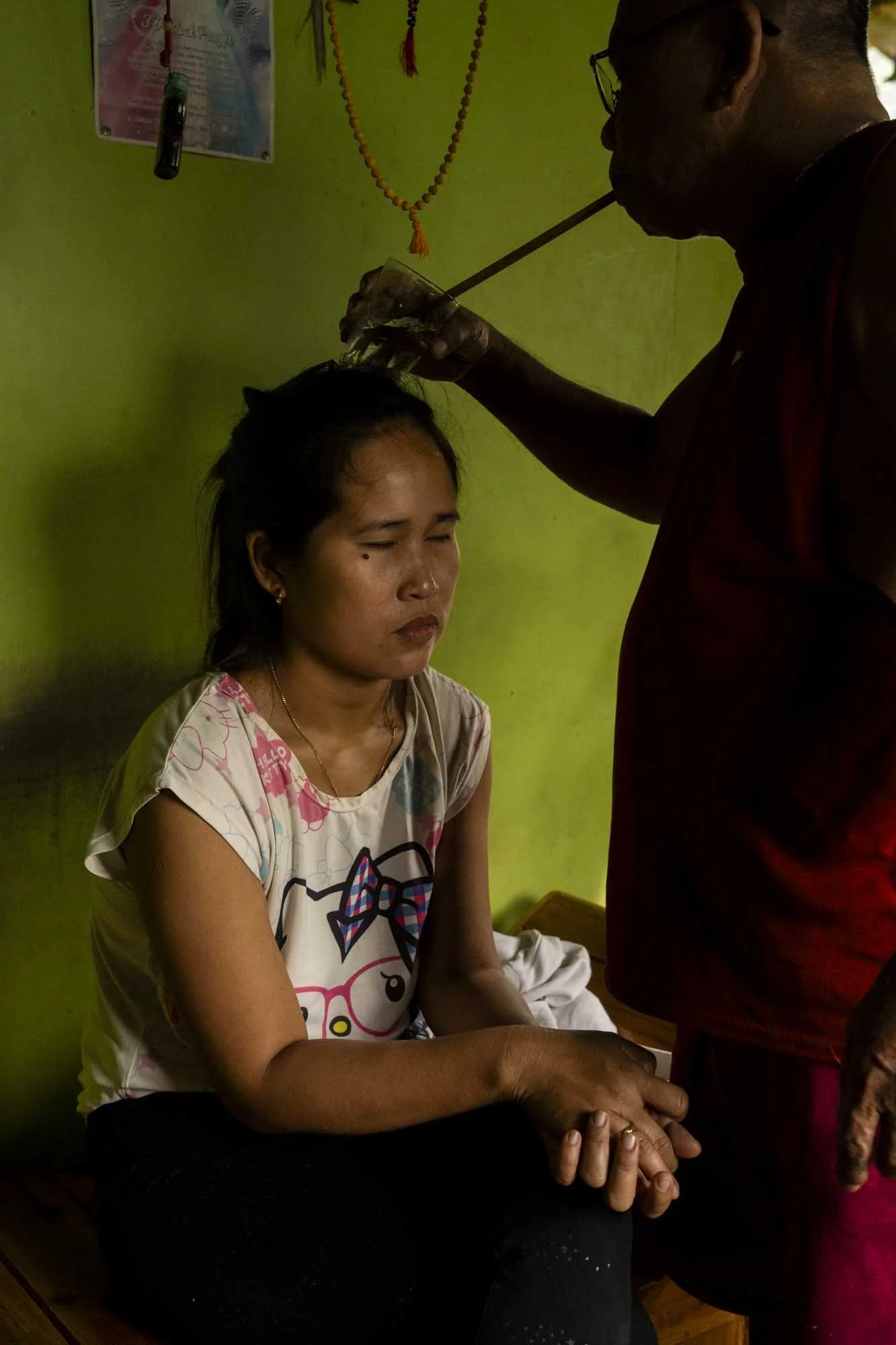
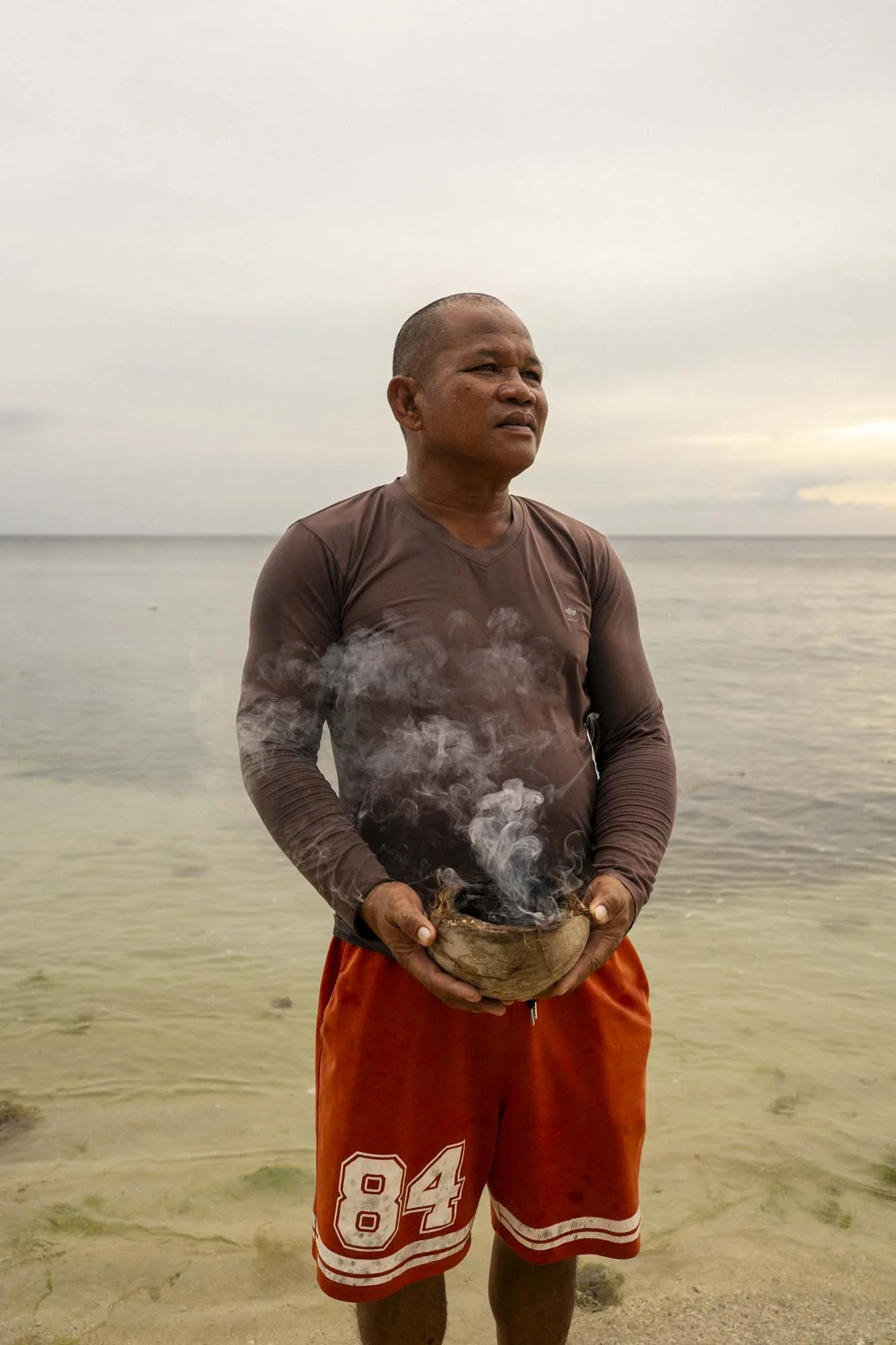
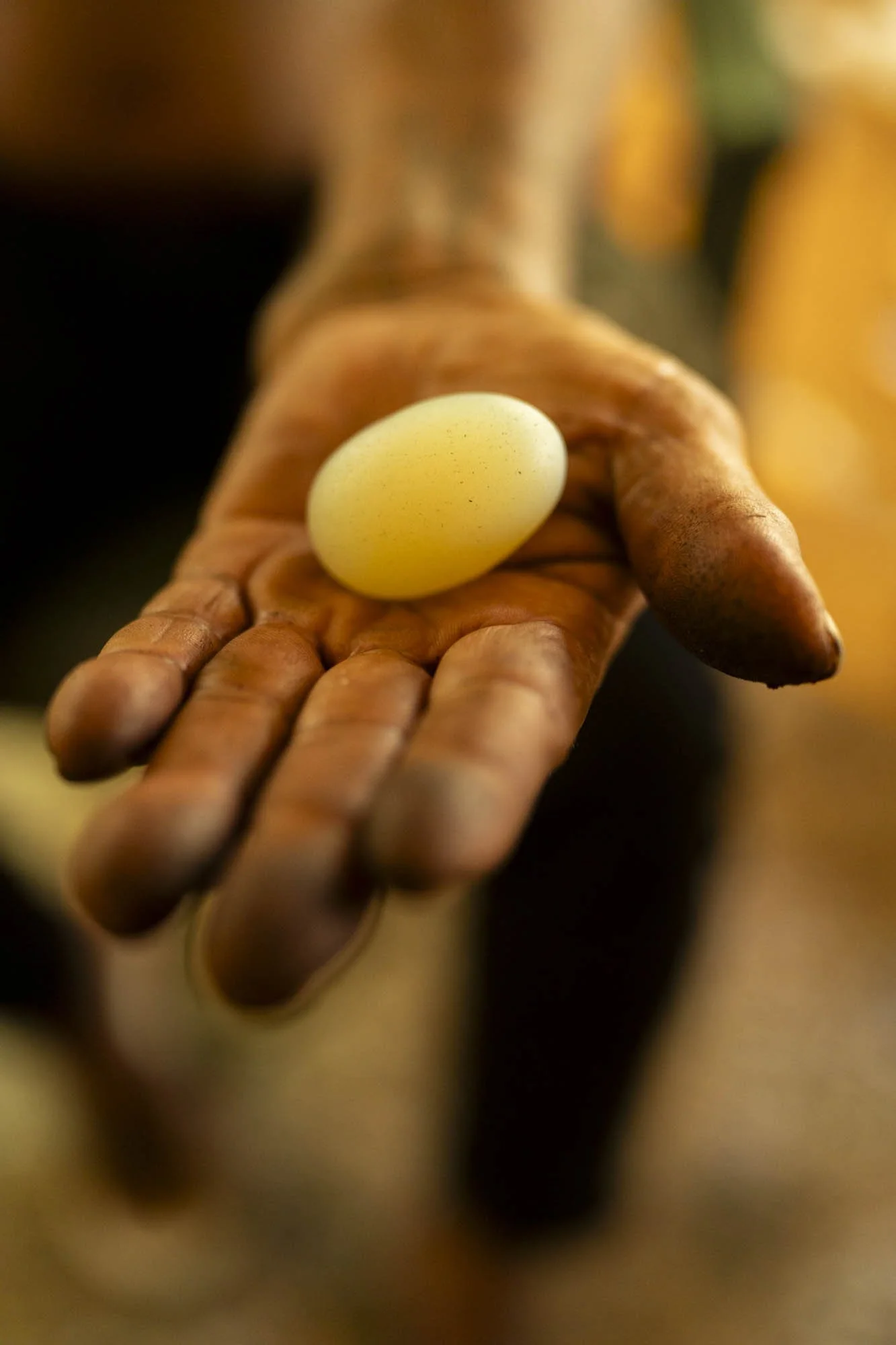
I became interested in the mananambal — traditional healers who use plants, prayers, rituals and knowledge passed through generations. Some are respected within their communities; others are described through the more sinister idea of the mangkukulam, associated with witchcraft and curses.
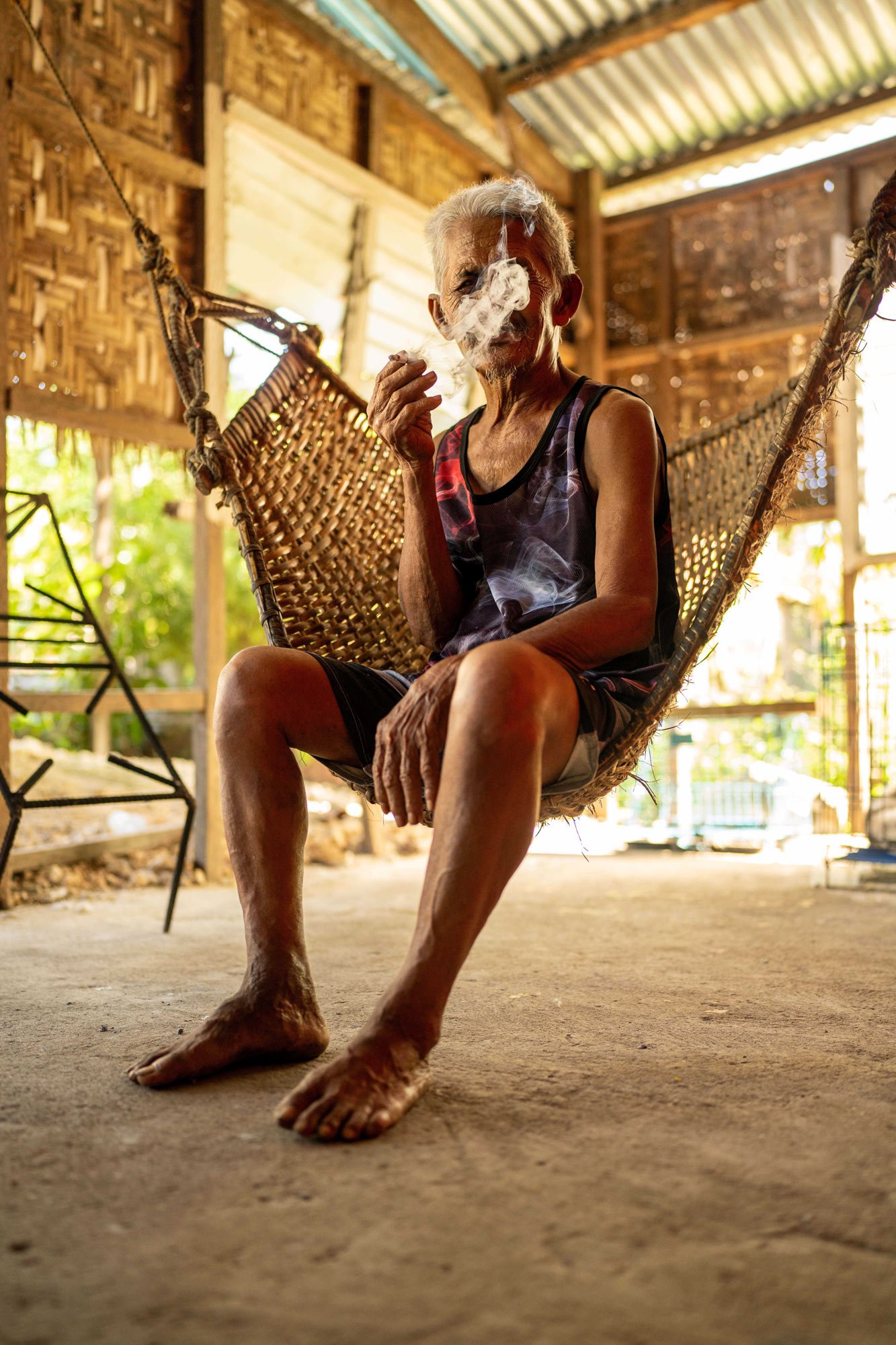
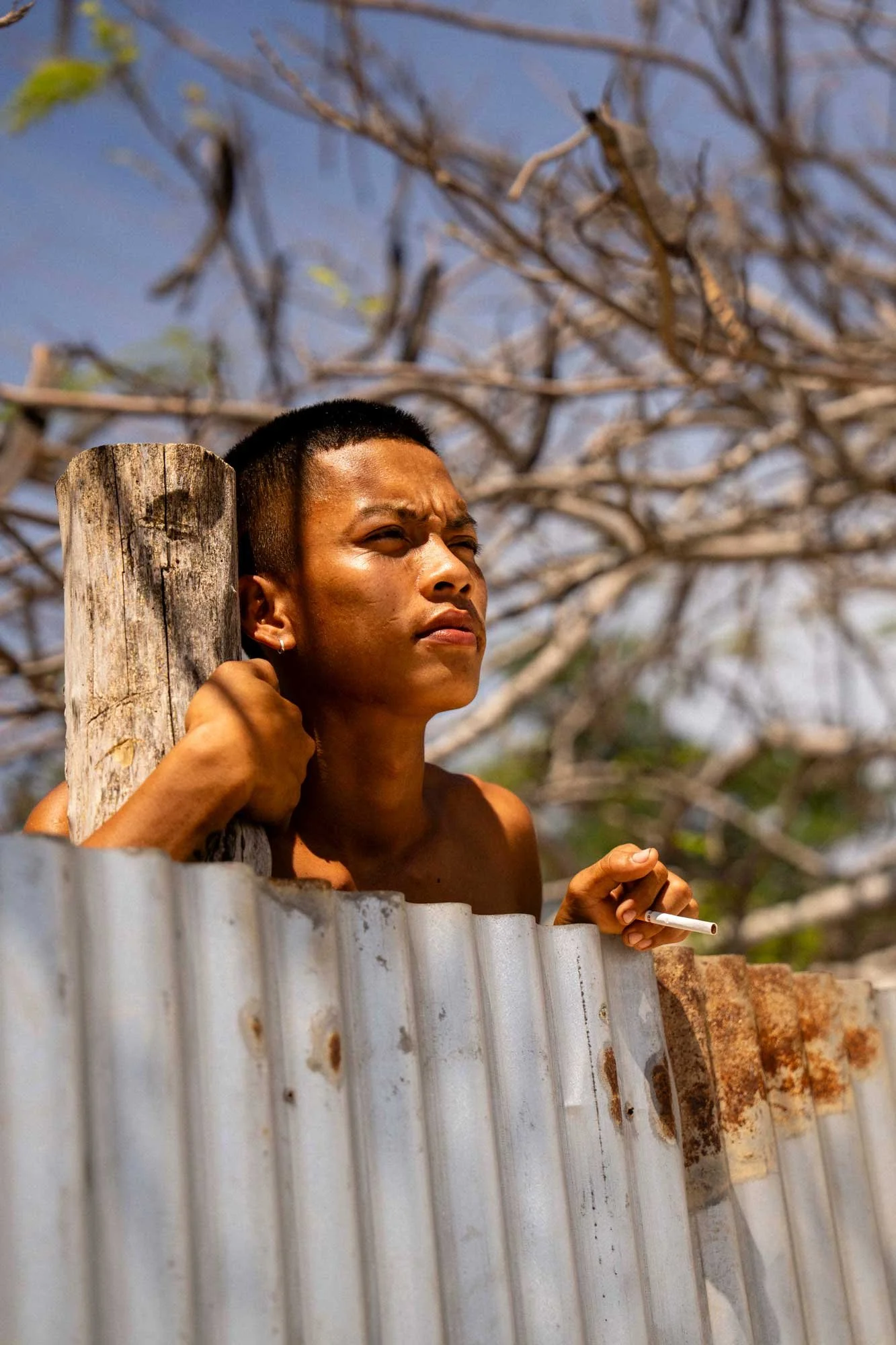
But behind these labels are ordinary people.
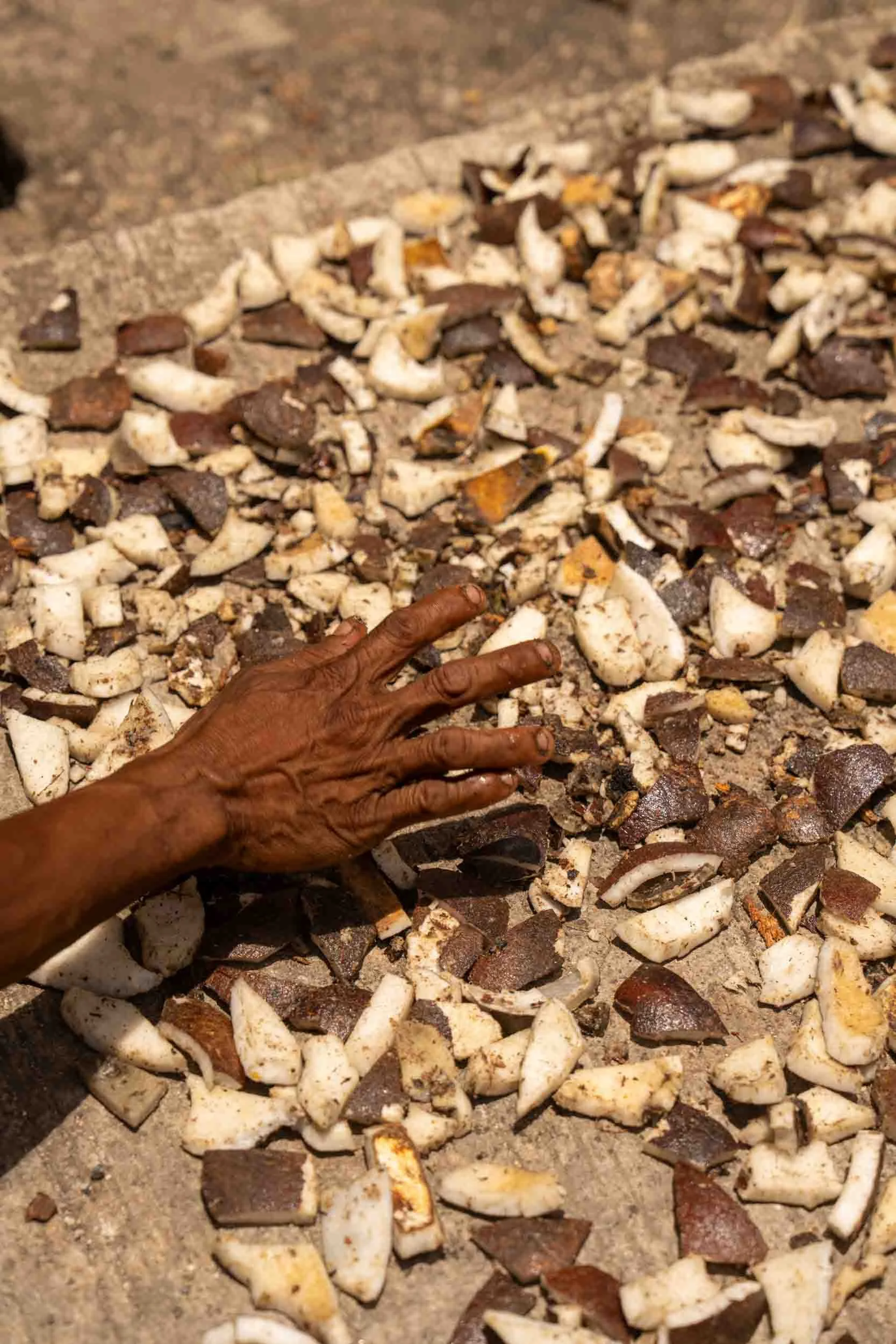
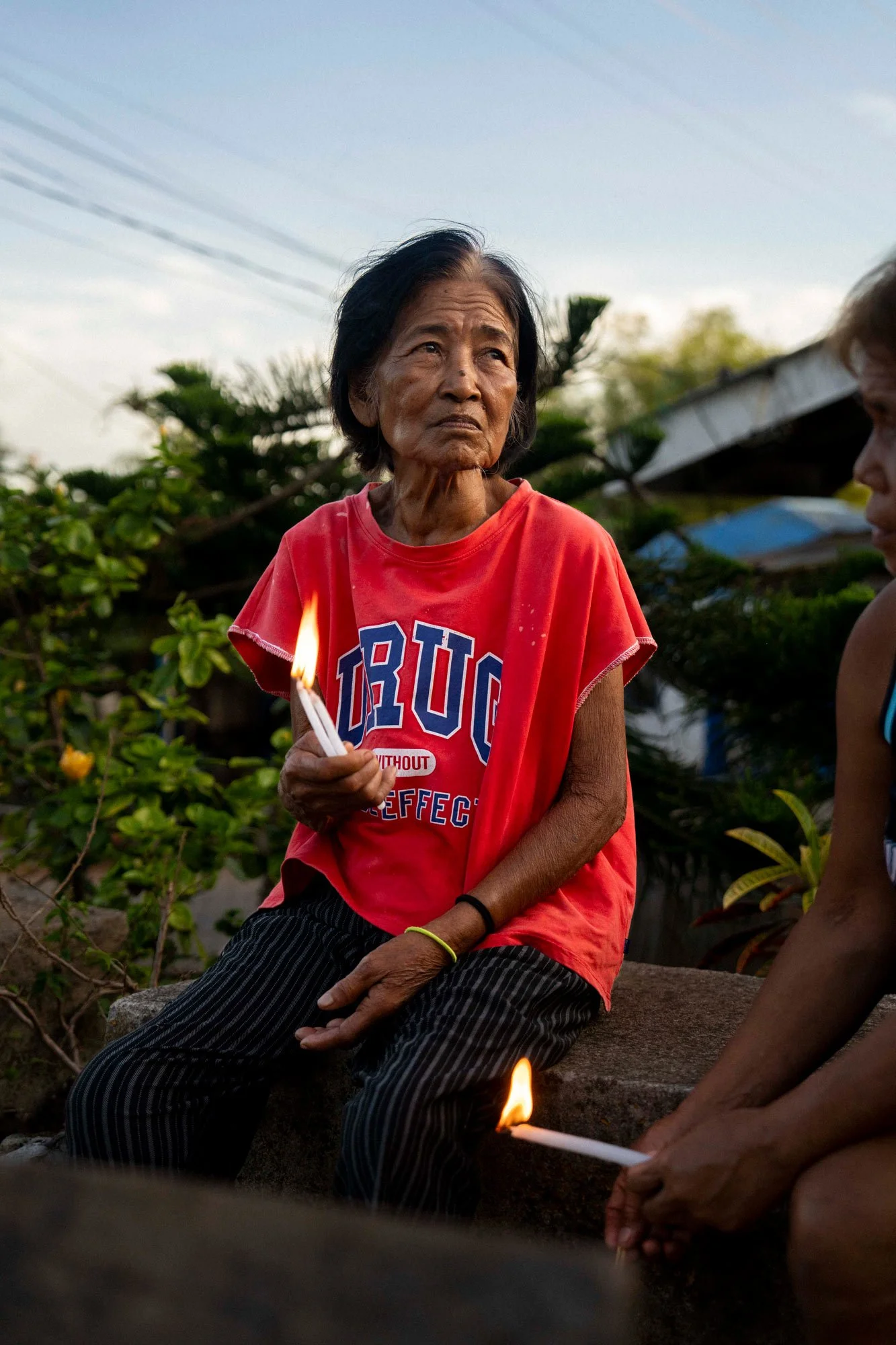
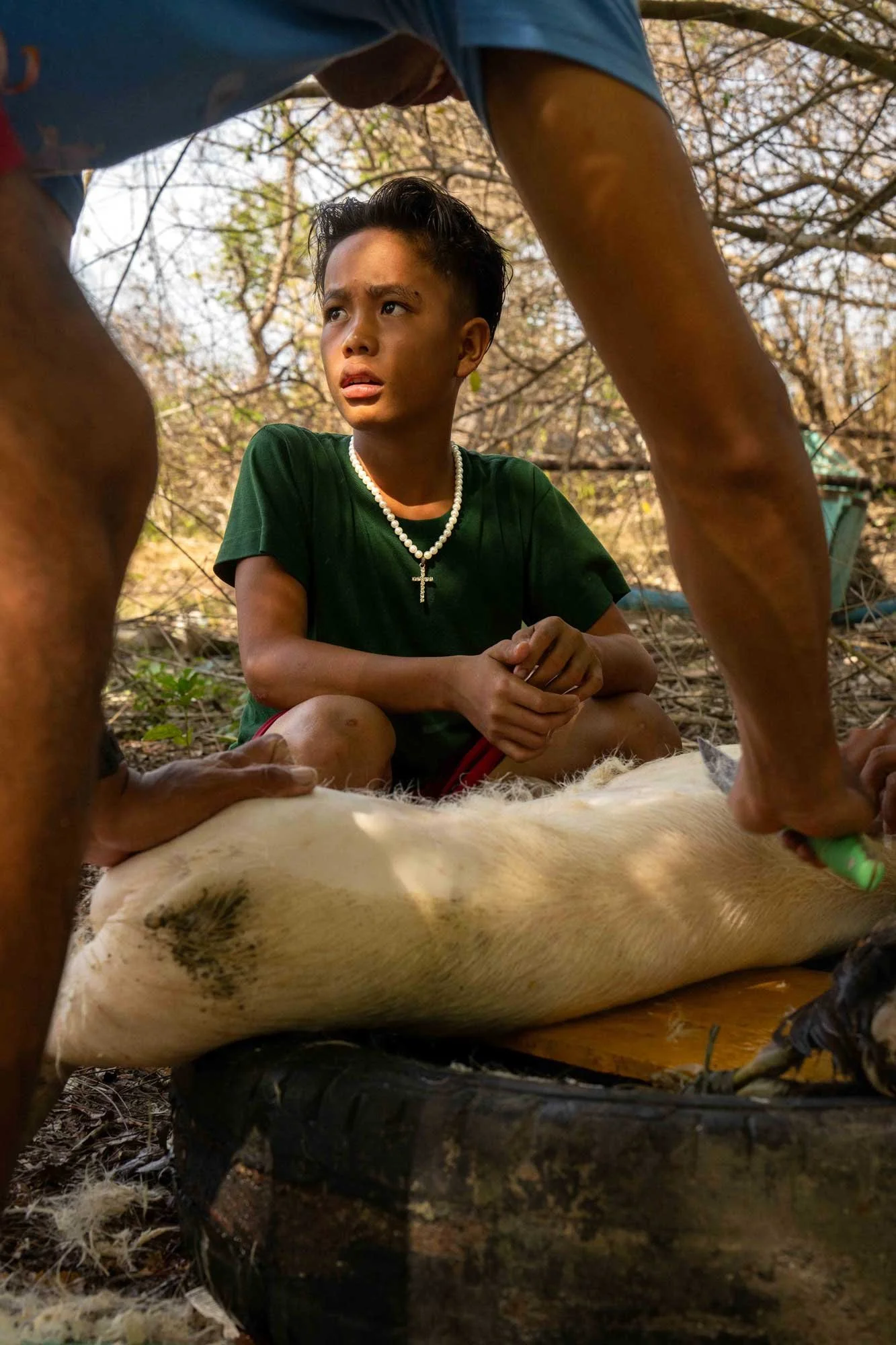
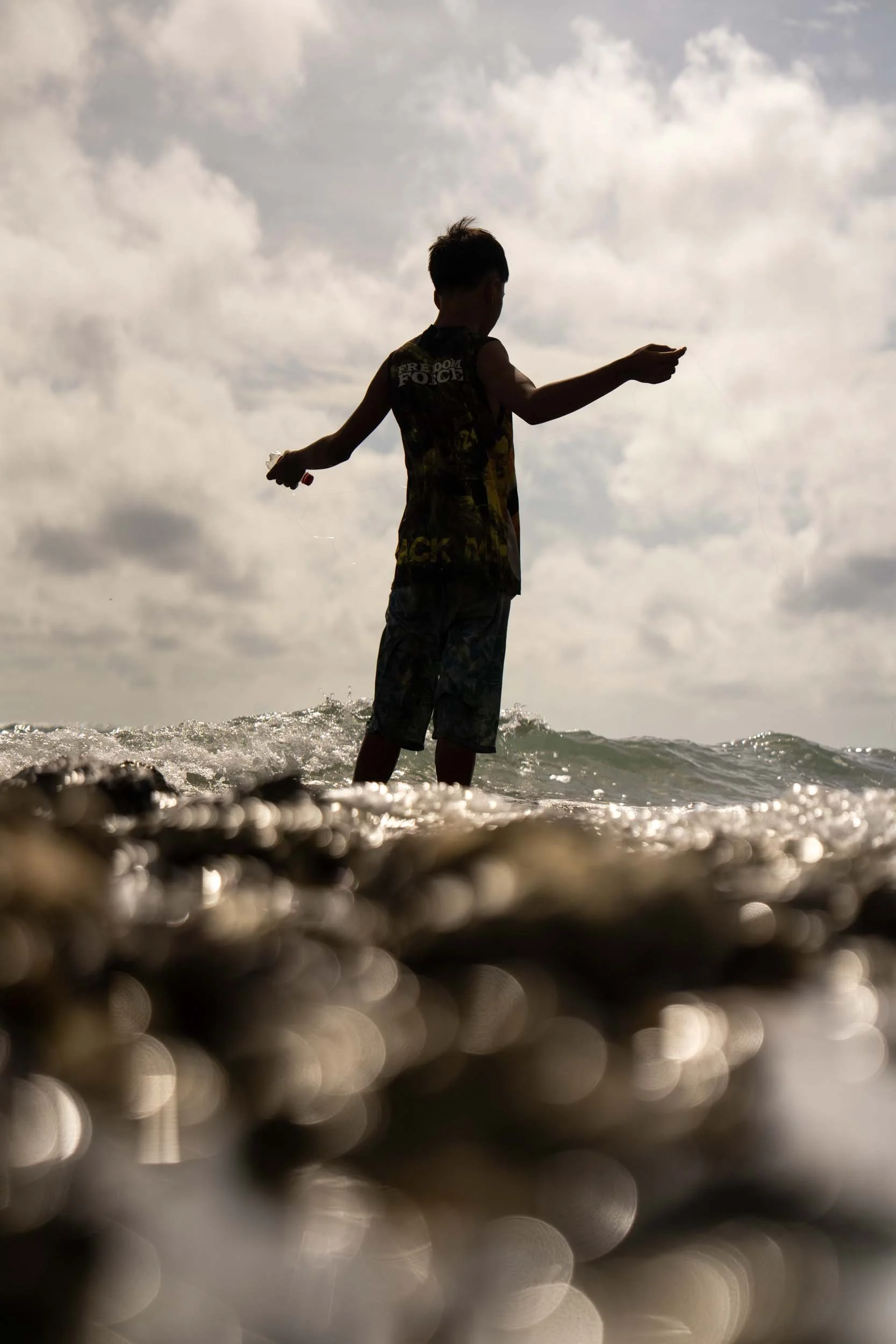
I wanted to photograph their lives rather than simply illustrate their rituals: their homes, families, landscapes, work and the people who come to them looking for help. Their practices are part of a much larger story about how knowledge survives, changes and is passed from one generation to another.
On Siquijor, belief is not necessarily something separated from everyday life. It can exist alongside religion, modern medicine and contemporary life, sometimes openly and sometimes quietly.
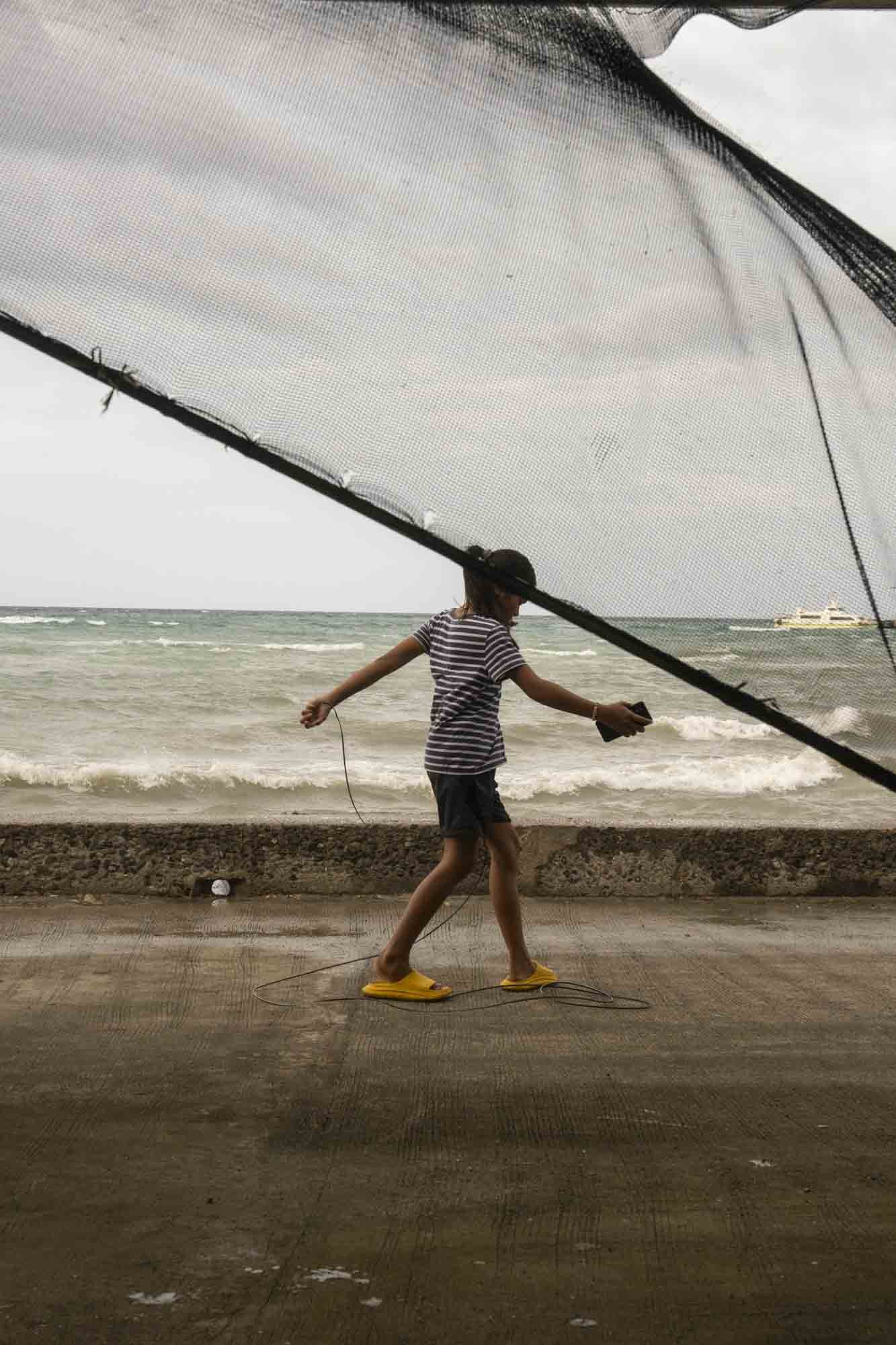
The island is changing. Tourism is growing, younger generations are leaving, and traditional knowledge is becoming increasingly difficult to pass on. Yet these practices remain embedded in the community.